Protection That Stops Moisture and Wear
Concrete Sealing Services in San Antonio for preventing water intrusion and surface degradation
Unprotected concrete absorbs water, which carries salts and contaminants that degrade the surface over time and create staining that becomes permanent once it penetrates deeply enough. Corby Stain & Seal applies UV-resistant sealers to driveways, patios, sidewalks, and commercial surfaces across San Antonio, forming a barrier that repels moisture and resists the kind of staining caused by spilled beverages, automotive fluids, or organic debris. Whether you're sealing new concrete for the first time or resealing an older slab that's lost its protective coating, the process restores water-shedding performance and makes routine cleaning more effective.
The sealing process begins with surface cleaning to remove dirt, oils, and any previous sealer residue that would prevent proper adhesion, followed by application of either penetrating sealers that bond within the concrete pores or topical sealers that form a protective film on the surface. Penetrating products maintain the concrete's natural texture and appearance, while film-forming sealers add sheen and enhance color on decorative or stained surfaces.
Arrange an evaluation to determine which sealer type matches your surface use and appearance goals.
What Proper Sealing Requires
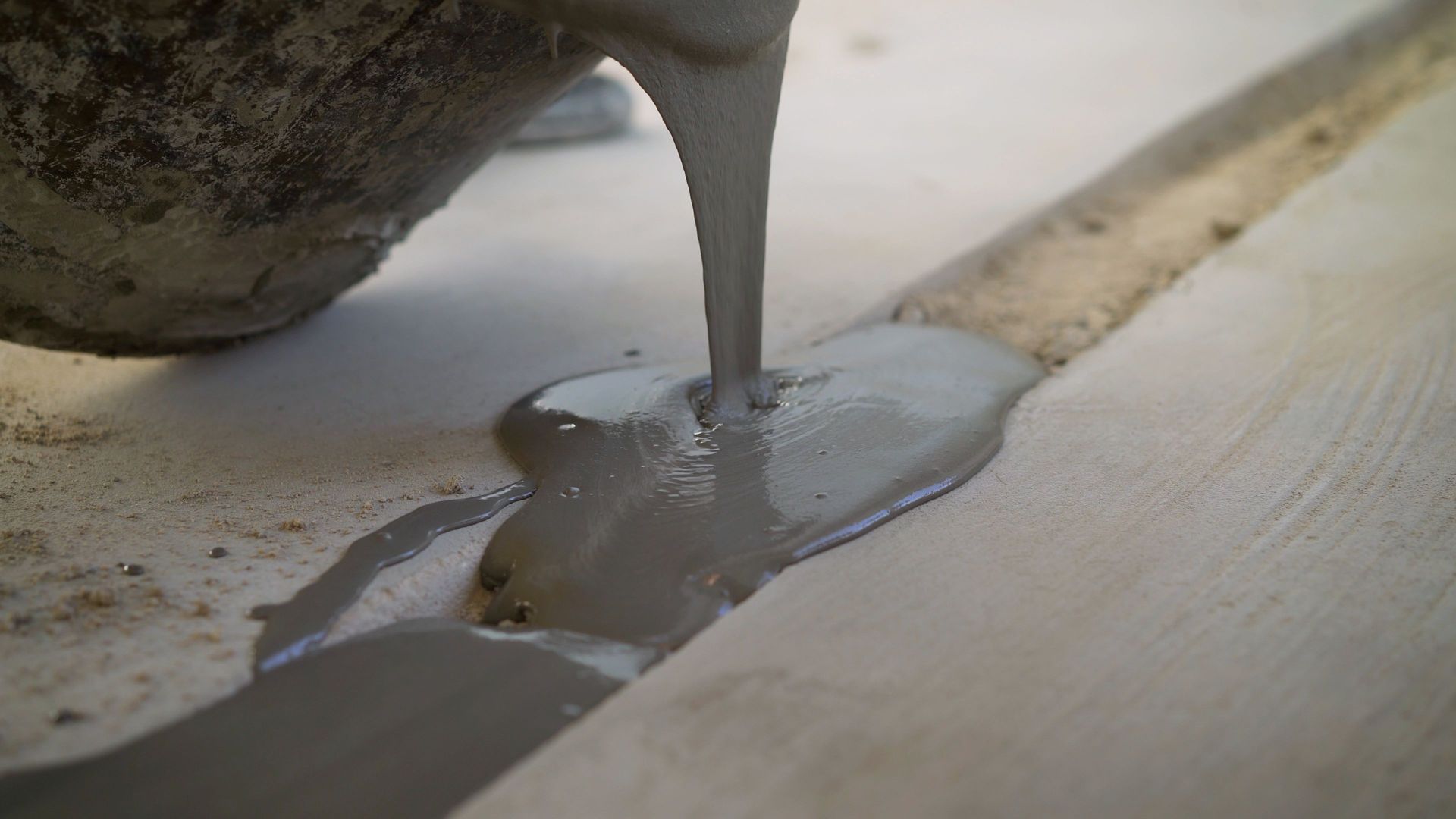
Effective sealing depends on surface preparation and product selection matched to the specific exposure conditions—driveways endure tire heat and automotive chemical spills, while patio sealers must withstand UV degradation from San Antonio's year-round sun exposure and temperature fluctuations that cause most coatings to break down prematurely. The sealer must penetrate or adhere cleanly without trapping moisture already present in the slab, which means timing application to avoid high humidity periods or recent rain when concrete holds subsurface water.
After sealing, water beads on the surface instead of soaking in, and spills from oil, grease, or beverages sit on top long enough to wipe away before staining occurs. The difference becomes obvious during the first rain—sealed driveways shed water quickly and dry faster, while unsealed concrete stays dark and saturated for hours. Foot traffic and vehicle use resume once the sealer cures, typically within 24 to 48 hours depending on temperature and product formulation.
Resealing intervals depend on traffic levels and environmental exposure, with high-use driveways requiring attention every two to three years and lower-traffic patios lasting longer between applications. Film-forming sealers show wear as the surface loses its sheen or begins absorbing water again, while penetrating sealers fail more gradually as porosity increases.
Answers to Frequent Service Questions
Clients typically ask about sealer longevity, reapplication timing, and how different products affect concrete appearance and traction.
How does sealing prevent the white haze that appears on driveways?
That haze is efflorescence—mineral salts carried to the surface by water moving through the concrete—and sealing blocks the moisture migration that transports those salts, preventing new deposits from forming on already-cleaned surfaces.
What changes when you reseal concrete that already has an old sealer?
Existing sealer must be stripped or abraded if it's incompatible with the new product, which often involves chemical stripping or mechanical grinding to create a clean bonding surface for the fresh application.
Do sealers make outdoor surfaces slippery when wet?
Smooth film-forming sealers reduce traction unless slip-resistant additives are mixed in, while penetrating sealers maintain the concrete's original texture and provide better wet-weather grip on walkways and pool decks.
When should new concrete be sealed for the first time?
Most concrete needs 28 days to cure fully before sealing, though some rapid-cure products allow earlier application—sealing too soon traps moisture and prevents proper concrete hardening in San Antonio's heat.
What's included in a resealing service versus a first-time seal?
Resealing adds surface cleaning and often requires removal of the old sealer layer, which increases labor compared to sealing bare concrete that only needs basic preparation.
Corby Stain & Seal inspects your concrete to identify whether existing sealer remains functional or needs replacement, and discusses product options that balance appearance, protection, and maintenance frequency. Request a surface assessment to establish a sealing plan based on current conditions.