
Floors Built to Handle Daily Punishment
Epoxy Floor Coatings in San Antonio for high-traffic areas requiring chemical resistance and long-term durability
Epoxy systems create a rigid, bonded surface that withstands impacts, abrasion, and chemical exposure far better than bare concrete or surface-applied paints that chip and peel under the same conditions. Residential garages, commercial warehouses, retail spaces, and industrial facilities across San Antonio use epoxy coatings to protect underlying concrete from automotive fluids, dropped tools, cart traffic, and the kind of wear that degrades unprotected slabs within a few years. Corby Stain & Seal installs both smooth and decorative epoxy finishes, with system thickness and chemical resistance tailored to your specific use case—light residential applications differ significantly from heavy commercial installations that endure forklift traffic or chemical spills.
Application involves grinding the concrete to open the surface pores and create mechanical bond points, filling cracks and low spots with epoxy-based patching compounds, then applying multiple coats of epoxy resin that cure into a unified, monolithic surface. Chemical-resistant formulations incorporate additives that prevent degradation from acids, solvents, or petroleum products commonly found in automotive and industrial settings.
Schedule a floor evaluation to review system options based on your traffic patterns and exposure risks.
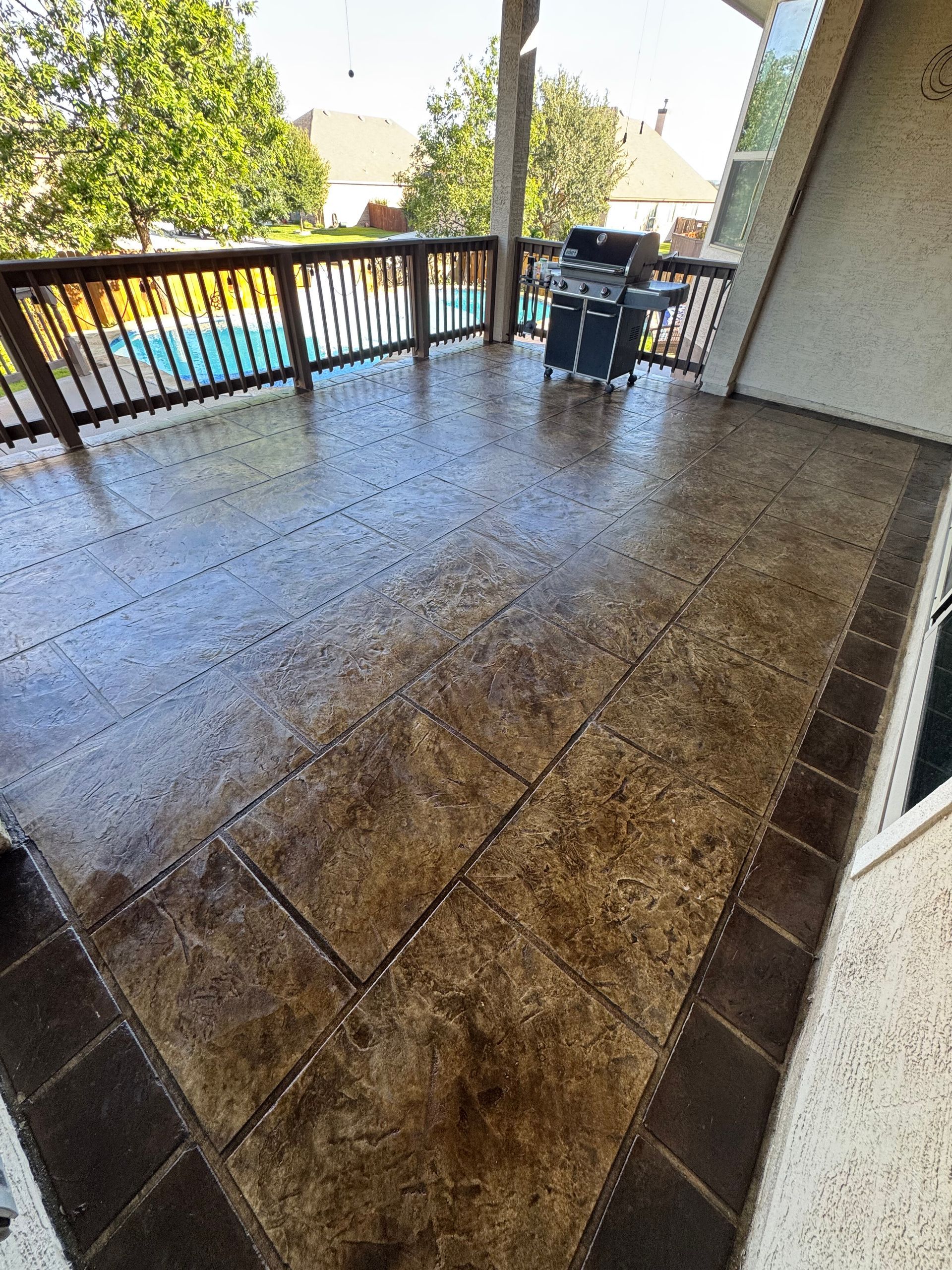
What Epoxy Actually Accomplishes
Once cured, epoxy forms a hard, non-porous surface that resists staining from oil, antifreeze, brake fluid, and other automotive chemicals that soak into bare concrete and create permanent discoloration. Proper surface preparation and selection of the right coating system are critical to long-term performance. Corby Stain & Seal evaluates the condition, environment, and intended use of each concrete surface before recommending a coating system. Dropped tools, dragged equipment, and rolling cart wheels leave minimal marking on properly installed epoxy compared to the gouges and scuffs that appear on uncoated concrete.
You'll notice easier cleaning—spills wipe up instead of soaking in, and dust no longer works into surface pores where sweeping and mopping can't reach it. Residential garage floors maintain a clean appearance with basic hosing or damp mopping, while commercial installations support power washing and chemical cleaning without damaging the coating. Smooth epoxy finishes reflect overhead lighting effectively, improving visibility in workspaces and retail areas without adding electrical fixtures.
System selection depends on expected wear—residential floors typically use thinner coatings suitable for occasional vehicle parking and light shop work, while commercial and industrial applications require thicker builds with higher solids content to withstand constant traffic and heavier impacts. Decorative options incorporate color flakes, metallic pigments, or quartz aggregates for visual interest beyond basic solid colors.
Common Questions About This Service
Most questions focus on system longevity, surface preparation requirements, and how epoxy performs under specific use conditions common to San Antonio properties.
What makes epoxy different from concrete paint or garage floor coatings sold in retail stores?
Epoxy creates a chemical bond with the concrete substrate and cures into a rigid thermoset plastic, while most retail products are single-component paints that sit on the surface and fail quickly under tire heat or chemical exposure.
How long does epoxy flooring last in a residential garage?
Properly installed systems typically perform for 10 to 15 years under normal residential use, with longevity depending on surface preparation quality and whether the underlying concrete remains stable without developing new cracks.
Can epoxy coating be applied over cracked or damaged concrete?
Minor cracks receive epoxy-based filler before coating, but active structural cracks or widespread surface damage may require concrete repair first to prevent the epoxy from cracking along the same lines.
Why does surface preparation matter more than the epoxy product itself?
Epoxy bonds mechanically to the roughened concrete surface created by grinding—if oils, dust, or weak concrete remain, the coating adheres to that contaminated layer instead of sound substrate and eventually fails by pulling away in sheets.
What happens if vehicle tires sit on epoxy during San Antonio summer heat?
Quality epoxy systems resist hot tire pickup, though lower-grade products may soften slightly under sustained heat and weight, leaving tire marks that require harder topcoat formulations to prevent.
Corby Stain & Seal assesses your concrete condition and discusses system specifications that match your performance requirements and budget parameters. Arrange an on-site consultation to review flooring options and surface preparation scope.