
Texture That Hides Wear and Adds Grip
Flake Epoxy Flooring in San Antonio for garage floors and commercial spaces requiring slip resistance and visual interest
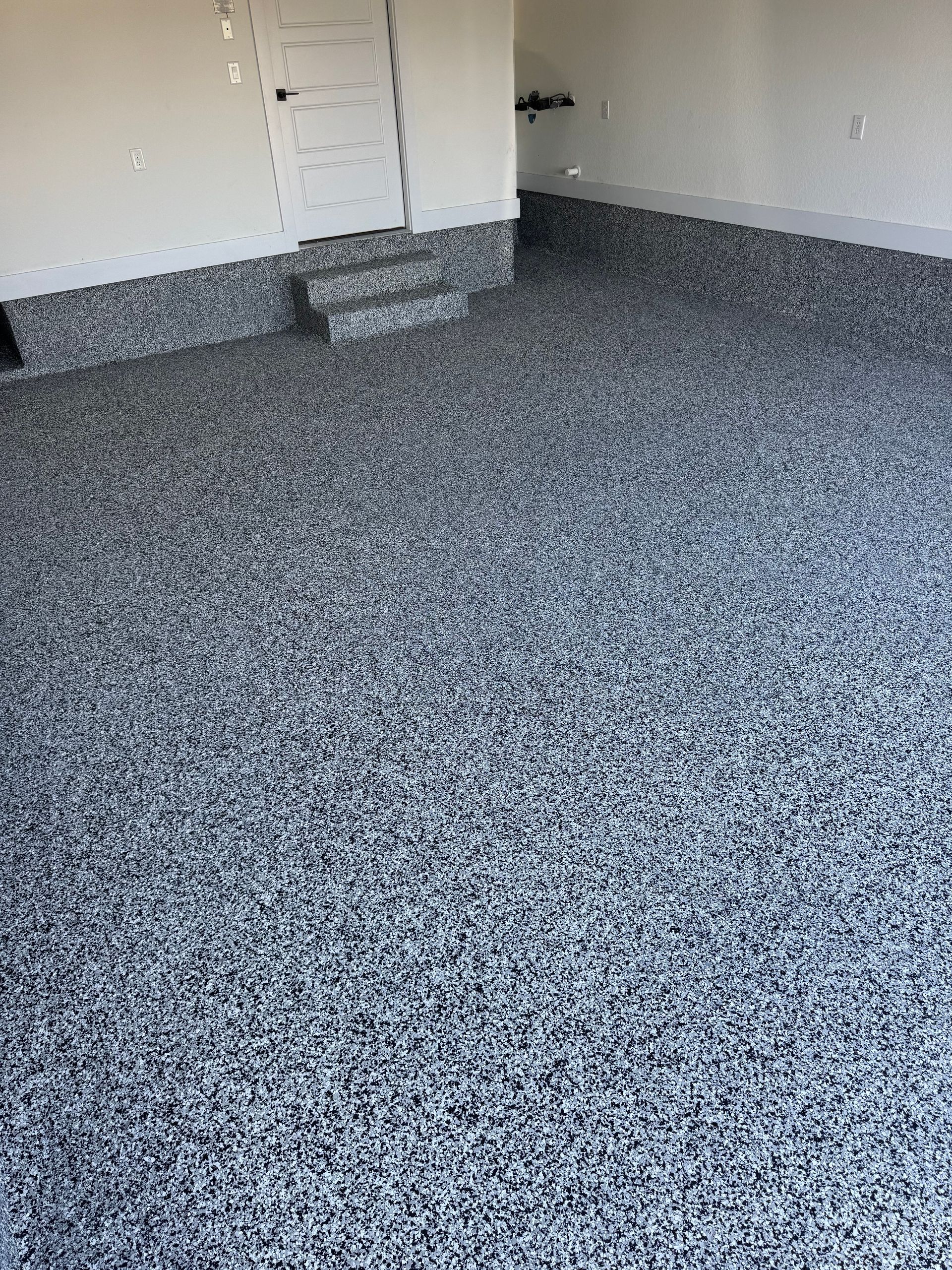
Flake systems broadcast colored vinyl chips into wet epoxy base coats, creating a textured, multi-toned surface that camouflages dirt, small scratches, and the minor imperfections that become obvious on solid-color floors. The chips lock into the epoxy and receive a clear topcoat that seals them in place while adding abrasion resistance and chemical protection. Residential garage floors benefit from the slip-resistant texture the flakes create, especially near vehicle entry points where water, snow melt, or mud would make smooth epoxy slick underfoot. Corby Stain & Seal installs full-broadcast systems where chips cover the entire floor surface, or partial-broadcast designs that scatter flakes more sparsely for a different visual effect across San Antonio properties.
Application follows standard epoxy surface preparation—grinding and cleaning the concrete, repairing cracks, applying pigmented base coat—then broadcasting the decorative flakes while the base remains tacky enough to hold them. Once cured, loose flakes are swept away and the floor receives multiple clear topcoats that build thickness and durability while locking the embedded chips permanently in place.
Request a flake sample board showing different color blends and broadcast densities on actual epoxy.
Why Flake Systems Work for High-Use Spaces
The randomized flake pattern disrupts the eye's ability to detect small scuffs, tire marks, or dirt accumulation that stand out sharply against solid-colored floors, which means the surface maintains a cleaner appearance between maintenance cycles even in high-traffic residential garages or commercial retail spaces. Custom color blends combine multiple flake colors—earth tones, grays, blues, or high-contrast combinations—to match surrounding finishes or create focal points in showrooms and storefronts. The embedded texture improves traction on surfaces that might otherwise become hazardous when wet, without the rough, hard-to-clean profile of heavily textured coatings.
After installation, the floor resists the same impacts, chemicals, and abrasion that epoxy handles, with the added benefit of hiding the gradual wear that eventually shows on any flooring system. Commercial applications often choose full-broadcast coverage for maximum durability and easy maintenance, while residential clients sometimes prefer lighter flake density for a more subtle decorative effect. Topcoat thickness determines final gloss level and chemical resistance—thicker builds provide better protection in spaces where automotive fluids, cleaning chemicals, or heavy cart traffic pose ongoing risks.
The system remains easy to maintain with regular sweeping and damp mopping, and the non-porous topcoat prevents staining from spills that would discolor bare concrete or penetrate less durable coatings. Flake floors work equally well in climate-controlled interior spaces and areas exposed to temperature swings typical of San Antonio garages that heat up during summer afternoons.
What Homeowners Usually Ask
Questions about flake flooring typically address color selection, texture differences, and how these systems compare to smooth epoxy or other garage floor options.
What determines how much texture the flakes create underfoot?
Full-broadcast applications where flakes cover the entire surface produce noticeable texture and maximum slip resistance, while partial broadcasts create gentler texture with more of the base coat visible between chips.
How do you choose flake colors that work with existing garage or space finishes?
Blending multiple flake colors creates depth and allows the floor to pick up tones from walls, cabinetry, or vehicle colors—sample boards applied to your actual floor show how different blends look under your lighting conditions.
Can flake epoxy handle hot tires from vehicles parked immediately after highway driving in San Antonio heat?
The clear topcoat cures into a hard, heat-resistant surface that prevents tire plasticizers from bonding to the floor, though any coating performs better when vehicles cool briefly before extended parking on hot summer days.
What's involved in maintaining a flake floor compared to plain concrete?
Routine sweeping and occasional damp mopping keep the surface clean, and the texture hides tracked-in dirt better than smooth floors, reducing how often deep cleaning becomes necessary.
Do the flakes eventually wear down or come loose with heavy use?
Properly embedded flakes remain locked under the topcoat layers indefinitely—surface wear occurs in the clear topcoat itself, which can be recoated without removing or replacing the flake layer underneath.
Corby Stain & Seal provides flake samples in various color combinations and helps determine broadcast density based on your slip resistance needs and design preferences for residential or commercial installations. Schedule a project consultation to review system specifications and installation timing.